
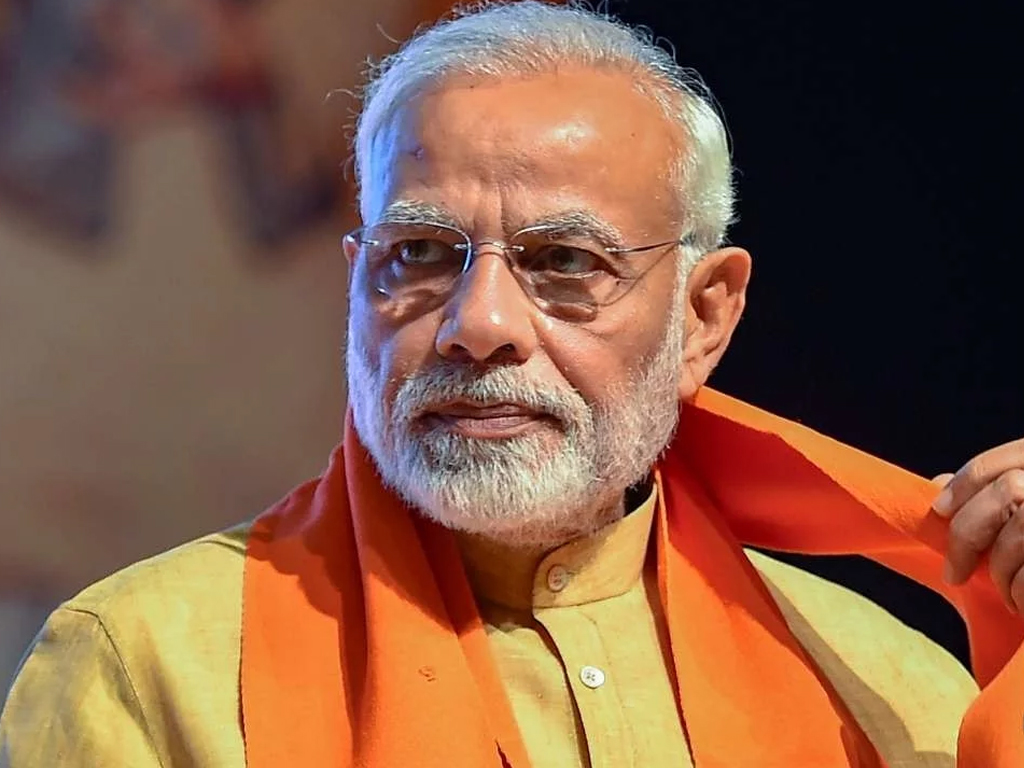
India's frenzied response to the Pulwama strike was expected, but what was not expected was that it would be as deceitful as India's prime minister Narendra Modi himself. If India ever thought its forces were burying the Kashmiri freedom fighters deep enough it was a Himalayan blunder; the buried are the seeds that have begun breaking the ground and sprouting up, and they are fully equipped mentally and physically to fight and die for their cause. The Pulwama incident is an unmistakable signal that a new crop of freedom fighters is out on the field, as is often the case with freedom struggles world over. Perhaps, the rulers in New Delhi could forestall this possibility. Unfortunately, however, instead of putting his ears to the ground or revisiting Atal Behari Vajpayee's vision, prime minister Modi opted to crush under military boots the dream of 20 million Kashmiris to be free and sovereign in their land. He also set about snatching whatever little autonomy they have under India's constitution by revoking Articles 370 and 35A. Remember, the late Vajpayee's decision to put Article 370 in the cold storage in 1996 and his call to consider Kashmir issue within the parameters of 'insaniyat' (humanity) rather than constitution. Prime minister Modi could stave off the Pulwama incident by paying heed to the Dileep Padgnoker Committee report. How to win back the Kashmiris' hearts and minds the report had underscored the need for reducing the army's visibility, addressing human rights violation, reviewing the Armed Forces Special Powers Act (AFSPA) and lifting the Disturbed Areas Act. But the Modi sarkar doesn't seem to be interested in taking the path of reconciliation as proposed by his own party's erstwhile stalwart Vajpayee and many of India's sane leaders and civil society. His ultimate mission is to win the upcoming elections in order to retain whatever it takes, and in this he enjoys the support of preachers and believers committed to resurrecting mythical Mahabharata. If not many, some do possess Modi's deceptive mindset.
Given the complexity of factors involved in such a massive massacre as it was on the Jammu-Srinagar highway last week, it would be too soon to make out who did this. At this stage, it would be difficult to say that it was a lone-wolf exploit or the end result of a meticulously planned move. But, intriguingly, not only a video showcasing the suicide-bomber's claim owning the incident went instantly viral but the Modi establishment also pointed the finger at Pakistan. But then there are no clues as to who was the suicide-bomber, who released his video, from where the bomber procured hundreds of kilos of explosive material which remained undetected on a high-security highway.
It is quite understandable that as general elections in India draw near the ruling clique in New Delhi is in action to shift public focus away from its numerous failures in providing the promised jobs and also the much-touted vikas (development). It had rightly anticipated that the Pulmawa strike would unleash a countrywide anti-Muslim and anti-Kashmiri backlash and thereby restore its Hindutva credentials. No wonder then that throughout India the Muslims, particularly the Kashmiri students, are being hounded by Hindu extremists, while the concerned authorities in most of the cases are playing the role of a silent spectator. However, the worst-affected are the Kashmiris in their own hometowns, particularly in Hindu-majority Jammu. The security provided to Mirwaiz Umar Farooq and four other Hurriyat Conference leaders has been withdrawn, exposing them to grave dangers. And, the Indian establishment is having shots at Pakistan by accusing it of using the local-based Jaish-e-Mohammad elements, but not conceding the fact that the suicide-bomber was a Kashmiri, had been maltreated by the Indian troops and was motivated to exact revenge. As a matter of routine, New Delhi is good at blaming Pakistan for any and everything that goes wrong in India. India's accusations, as the Foreign Office spokesman said are "consistent with well-rehearsed tactics from the Indian playbook after such incidents in the past". The facts so far on the ground unmistakably suggest this was a theatre - a thought-out plan and perfectly timed. It took place on the eve of Saudi Crown Prince Mohammad bin Salman's visit to the region. Not only did it tend to fortify India's stand on Kulbhushan Jadhav at The Hague, it was also aimed at belittling Pakistan's central role in Afghanistan peace process and improving BJP's electoral prospects.